
Local SEO in 2025: A Guide for Small Businesses

How Small Businesses Can Win with Local SEO in 2025

In 2025, local SEO isn’t optional — it’s the difference between getting found by customers in your area… or getting buried under competitors. Search habits have changed, Google’s algorithm has evolved, and small businesses need more than a website to stay visible.
Whether you’re a service provider, brick-and-mortar shop, or mobile business, this guide will help you understand exactly what drives local rankings today — and what you can start doing immediately to boost your visibility.
What Is Local SEO (and Why It Matters in 2025)?
- “web designer near me”
- “plumber in North Port FL”
- “best coffee shop in Sarasota”
- “hair salon Port Charlotte”
- proximity
- trustworthy businesses
- accurate data
- local authority
- helpful, user-friendly websites
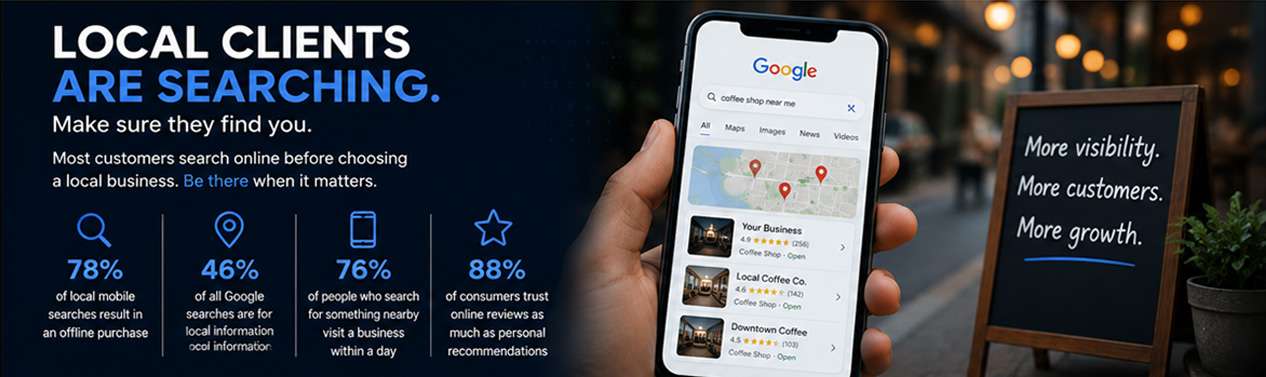
How Local SEO Has Changed in 2025
✔ More emphasis on real business activity
Additionally, search engines now cross-reference more data points than ever before, including website content, reviews, citations, and engagement signals.
✔ GBP (Google Business Profile) signals increased
Posts, services, photos, Q&A, categories, and “justifications” now influence local rankings.
✔ AI-driven search is huge
More importantly, AI-generated search results now prioritize trusted and authoritative sources.
Thin content loses visibility fast.
✔ Local backlinks now carry more weight than generic directory links
Community citations, press mentions, and local collaborations carry more weight than large national links.
The 2025 Local SEO Checklist (What Every Small Business Must Do)
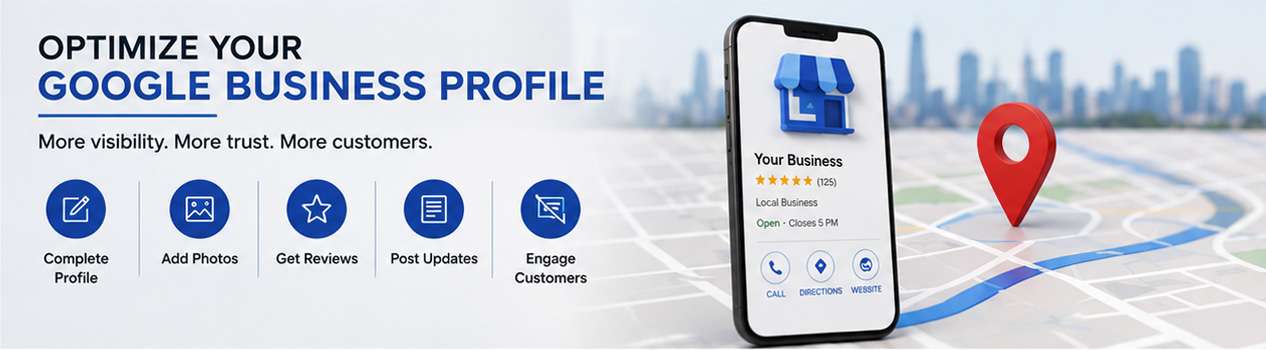
1. Optimize Your Google Business Profile (GBP)
For most local businesses, GBP is your #1 ranking factor.
Must-do steps:
- Choose the correct primary category
- Add 5–10 secondary categories strategically
- Fully complete every field (hours, services, description, locations served)
- Upload high-quality photos weekly
- Respond to every review
- Post updates every 7 days
- Add products/services with keyword-rich descriptions
- Enable messaging & booking (if relevant)
Pro tip: Add custom services like “Web Design North Port FL” or “SEO Consultant Sarasota” — they help you appear for long-tail local searches.
2. Nail Your Website’s On-Page Local SEO
Google needs to understand:
- what you do
- where you’re located
- who you serve
- Key optimizations:
✔ Include city + service in strategic places
- Title tag
- H1
- First 100 words
- Image alt text
- Meta description
- URL slug if applicable
- Schema markup
✔ Add a dedicated service-area section
Even if you don’t have an office, list the cities you serve.
✔ Create city-specific landing pages
(Exactly what you’re building: North Port, Sarasota, Holyoke, etc.)
Each page should have:
- unique copy
- unique hero image
- local references or landmarks
- structured data
- clear CTA
- service descriptions tailored to that city
Avoid duplicate or thin content — Google catches it fast.
3. Build Local Backlinks (This Is Where Most Businesses Fail)
Local backlinks = trust.
Examples of high-value sources:
- Chamber of Commerce websites
- Local news sites
- Local blogs or lifestyle magazines
- Event sponsorships
- Partnerships with nearby businesses
- Local podcasts
- University or high school events
- Cross-promotions
In 2025, one local backlink is worth more than 50 random directory submissions.
4. Use Local Citations Correctly
Citations = mentions of your business name, address, and phone (NAP).
Accurate NAP consistency helps Google confirm your legitimacy.
Submit your business to:
- Google Business Profile
- Yelp
- Bing Places
- Apple Business Connect
- BBB
- YellowPages
- MapQuest
- Angi (if applicable)
- Industry-specific directories
Make sure:
- same phone number
- same spelling
- same business name
- same formatting
One minor mismatch can affect ranking.
5. Get (and Respond to) Reviews Consistently
In 2025, reviews are a ranking signal — not just social proof.
Google looks at:
- review velocity (how often you get them)
- review diversity (Google, Yelp, Facebook)
- review relevance (keywords inside the review)
- owner responses
- star rating over time
Encourage customers to mention:
- your service
- the city
- specifics of their experience
Example:
“Working with Sarry for web design in North Port was incredible — she helped me rebrand completely!”
Those keywords help.
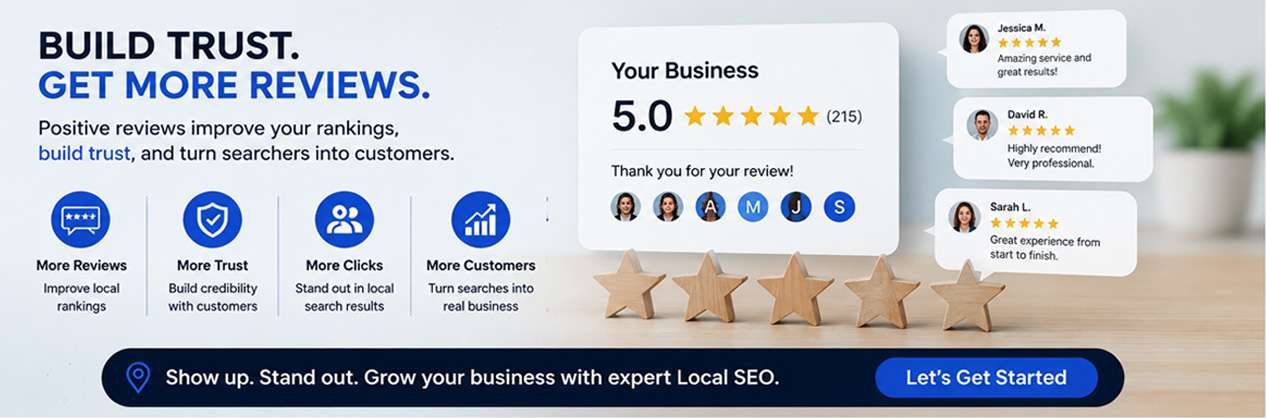
6. Improve Website Speed & Mobile Experience
Meanwhile, most nearby customers are searching directly from mobile devices.
Google prioritizes:
- fast sites
- clean layouts
- accessible design
- high-contrast text
- large tap targets
- no intrusive popups
- core web vitals in the green
If your website is slow, you will fall behind competitors — even with perfect SEO.
7. Add Local Schema Markup (this boosts trust)
Schema helps Google understand your business.
Recommended types:
- LocalBusiness
- ProfessionalService
- WebSite
- WebPage
- ImageObject
- Service
- OfferCatalog
You’ve already been building this — keep going.
8. Create Local Content (Google Loves It)
Ideas:
- “Best Things to Do in North Port for Small Business Owners”
- “What Local Businesses in Sarasota Should Know About SEO in 2025”
- “How to Prepare Your Website for Snowbirds Visiting Florida”
- “2025 Local SEO Checklist for Service-Based Businesses”
- In many cases, creating locally relevant content also helps strengthen topical authority.
9. Track Your Results in GA4 + Search Console
Monitor:
- location-based keywords
- top pages
- click-through rates
- user behavior
- conversions
This helps you refine content, fix pages that drop, and double down on what works.
2025 Local SEO Ranking Factors (Simplified)
Here’s what carries the most weight:
High Impact
- Google Business Profile
- Reviews
- Backlinks
- Proximity to searcher
- Website quality (UX + speed)
- On-page SEO
- Local content
- Schema markup
- NAP consistency
Medium Impact
- Social signals
- Brand searches
- Engagement signals
- Photos & posts on GBP
Low Impact
- Basic directory submissions
- Keyword stuffing
- Over-optimized city pages
Common Local SEO Mistakes to Avoid
- Using the same content on multiple city pages
- Not updating GBP regularly
- Keyword stuffing city names everywhere
- Buying low-quality backlinks
- Skipping reviews
- Using a PO Box instead of a real address
- Forgetting to update holiday hours
- Ignoring mobile optimization
4. Do you provide copywriting or help refining website messaging?
Many small business owners struggle with:
- headlines
- service descriptions
- calls to action
- brand positioning
A designer who understands messaging will help you create content that actually converts — not just looks pretty.
5. Will my website be easy for me to update later?
You should not need a designer for every tiny update.
Ask if they build on:
- WordPress
- Elementor
- Shopify
- a user-friendly CMS
If the website requires coding to make simple changes, that’s not ideal for long-term success.
6. What platform do you recommend and why?
The designer should consider:
- your industry
- your growth plan
- your budget
- whether you need eCommerce
- how often you’ll update the site
A good designer won’t push you into a platform that doesn’t fit your business.
7. How do you ensure my website loads quickly?
Slow websites lose conversions and hurt SEO.
Look for answers including:
- image compression
- lightweight themes
- cache setup
- hosting recommendations
- removing unnecessary plugins
Fast sites perform better — period.
8. Will the website be mobile-first?
More than half of customers browse on mobile.
Your design must prioritize:
- thumb-friendly navigation
- readable text
- clean spacing
- fast load time
- mobile-optimized layouts
A designer who doesn’t prioritize mobile will hurt your results.
9. What hapens after the website is launched?”
Ask about:
- support
- revisions
- training
- maintenance
- future updates
A long-term relationship with your designer is valuable.
10. Do you offer ongoing SEO or digital marketing support?
Websites only work when people find them.
If the designer also supports:
- local SEO
- content creation
- analytics setup
- site performance monitoring
…your website can grow with your business instead of becoming outdated.
11. How do you handle timelines and communication?
Clear communication prevents stress and delays.
Ask for:
- timeline estimates
- update frequency
- preferred communication channels
- expectations around revisions
A designer who communicates well is worth their weight in gold.
12. What is included in your pricing — and what is NOT included?
Transparency prevents surprises.
A trustworthy designer should clearly explain:
- what’s included
- what’s optional
- what costs extra
- what you own (domain, hosting, accounts)
A fair, transparent structure builds trust from the beginning.
Ready to Build a Website That Works for Your Business?
If you’re looking for a freelance web designer who combines strategy, clean design, SEO, and ongoing support, I’d love to help.
Final Thoughts: Choosing a Designer That Actually Supports Your Vision
Your website is often the first impression someone has of your business — so choosing the right designer matters. A good freelance web designer listens, communicates, and builds with purpose… not just aesthetics.
When you ask the right questions, you gain clarity, confidence, and peace of mind.
And when you choose the right designer, you build a website that works for you — day and night.